


Electric motors are present at some level in nearly everything we interact with. They power everything from ceiling fans and refrigerators to electric vehicles and machinery, and they quietly make it all possible. However, very few people understand how an electric motor works or why they matter. In this blog we will give a simplified explanation of electric motors. We will discuss what an electric motor is, how they operate, their main components, and their applications in the world around you. This blog is appropriate for students, hobbyists, or anyone interested in technology you will gain an understanding of electric motors.
What Is an Electric Motor?
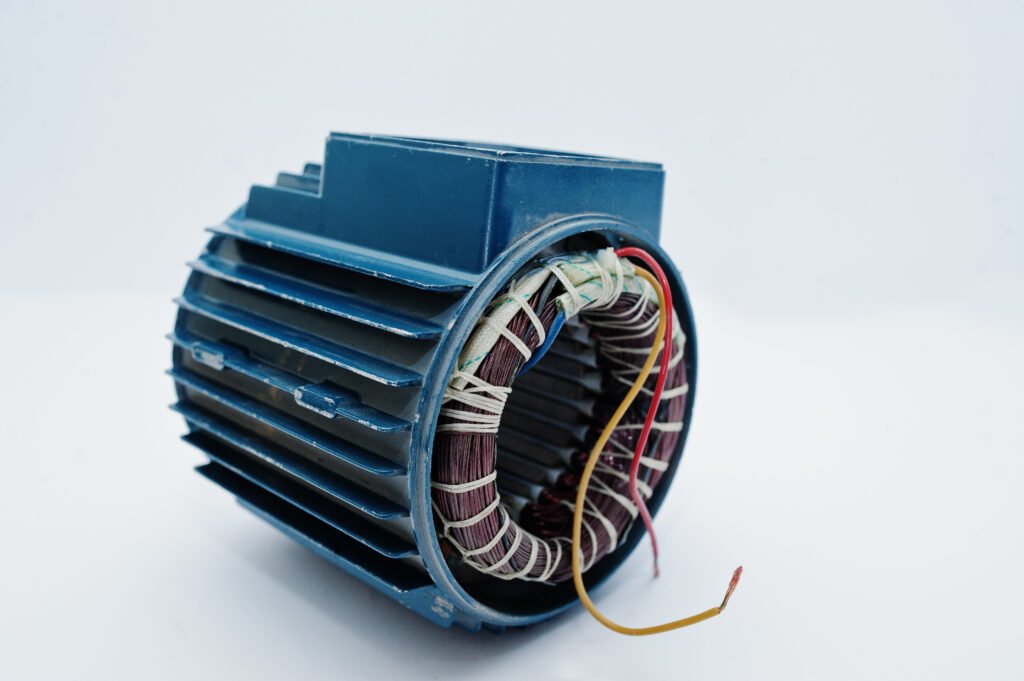
An electric motor is a device that converts electrical energy into mechanical energy. To put it more simply, it uses electricity to create motion. Electric motors are responsible for the spinning fans, the rotating washing machines, and of course, how your electric vehicle runs! Electric motors can be very small (a tiny motor in an electric toothbrush) or very large (motors in factories). Understanding electric motors allows us to appreciate just how much of our modern world requires this incredible invention.
Why Are Electric Motors So Important?
Electric motors are important because they aid in automating and powering machines with little or no pollution or high fuel consumption. Electric motors are more environmentally friendly than engines that use diesel or petrol, they run at a lower noise level, and they require less maintenance than a combustion engine. Electric Motors are more energy efficient; they are essential in the most common applications, whether in manufacturing, transportation, or electronics.
Understanding how electric motors operate will help us better understand the role they will play in creating a cleaner and smarter future. The world is headed in this direction in terms of electric vehicles or other automated machines.
How Electric Motors Work: The Basic Principle
Now let’s look at the operation of electric motors. The foundation of all motors is the phenomenon of electromagnetism. When electricity is present in a wire, a magnetic field is generated. Motors use this magnetic force to produce motion. There are coils of wire in the motor called windings and there are magnets. When the electric currents flow through them, the interaction of the magnetism creates a spin of the motor shaft which can in turn be used for a fan, wheel, machine etc.
The Main Parts of an Electric Motor
Knowing the key parts of an electric motor can help explain how it works:
- Stator – the stationary part of the motor which generates a magnetic field.
- Rotor – the rotating part of the motor which is physically connected to the output (shaft).
- Coils/Windings – the wire which carries current and generates magnetic force.
- Commutator or Controller – directs current in the motor.
- Shaft – transfers motion to the device requiring power.
All these parts collectively produce electrical energy into motion. It is simple and powerful, and consequently used in millions of applications.
Types of Electric Motors
There are multiple types of electric motors, although the most common include:
- AC Motors – (are used in household appliances, fans, and industrial implement).
- DC Motors – (can be found in toys, small devices, and electric vehicles).
- Brushless – (more efficient, typically found in drones, fans, electric vehicles).
Each motor type has a different method of controlling the electric motor. For example, controlling the speed of a DC motor is relatively simple, or an AC motor would be suitable for constant and long-term use.
Electric Motors in Daily Life
Take a look around and you will find electric motors everywhere! The washing machine spins because it has a motor. The elevator you went up or down in the building used a motor. Even your smart phone’s little vibration motor or “motor” uses the same basic principle. You will notice that when you learn how an electric motor works. Electric motors are prevalent devices and can be found in an extraordinary variety of places. Blenders inside kitchens, in robots doing stuff, and in tiny gadgets to make our lives easier in a variety of ways instead of doing work that takes time and some effort
Electric Motors and the Future of Transport
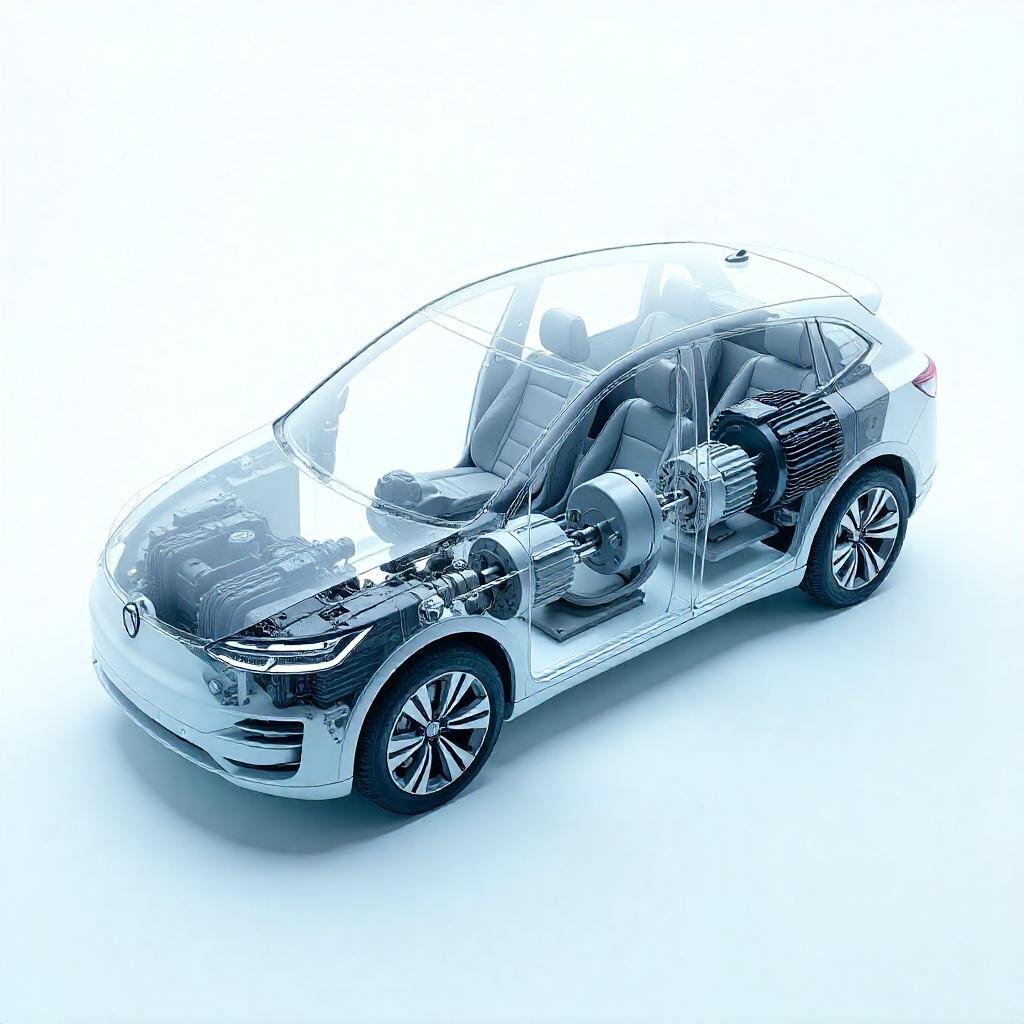
Today, one of the more interesting applications of electric motors is in electric vehicles (EV). The same way that Tesla and Tata use motors in cars, instead of fuel engines, means zero pollution, and significantly less maintenance, and much quieter rides in scenarios where air pollution can decrease. Understanding how electric motors work helps explain the popularity of the switch to EVs because everything is more efficient and better than the alternatives. As more cities don’t use transport over fossil fuels, motors will continue to impact our lives and living design and shape the future of the planet.
How to Choose the Right Electric Motor
Whether you’re building a device or buying one, it’s good to have an understanding of which type of motor to use. You need to consider the power level you’ll need, size, voltage, speed rating, etc. For example, a fan motor doesn’t use much power whereas a machine motor does. Understanding how electric motors work allows you to select what is appropriate for your job. At We Make Motors we help our clients select motors that fit their specific needs, whether it’s for small devices or big machinery.
Maintenance and Care of Electric Motors
Motors are durable but still need to be maintained. They must be kept clean, not allowed to overheat, and the wires and components must be checked for damage or wear. Dust and dirt, along with wear and tear will negatively affect the operation of electric motors over time. Because simple things like lubricating and cleaning may extend a motor’s life, regular maintenance in an industrial setting will minimize downtime costs. By knowing these simple things about motors, amateur hobbyists and engineers alike will be more successful at maintaining motors in perfect working condition for many years.
Motors Made for Textile, Engineering, and Automation
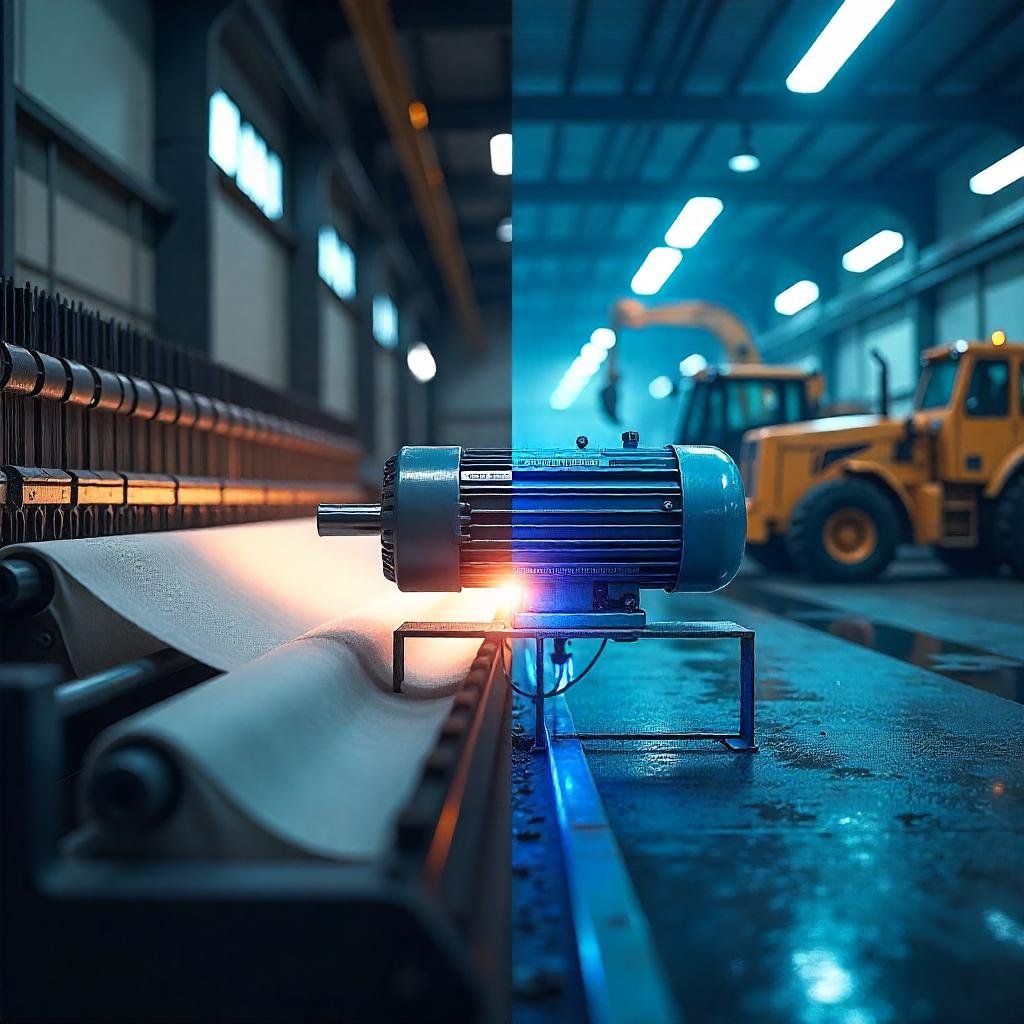
At We Make Motors we develop high quality motors for any application. Customers in the textile, engineering and/or automation sectors hire us to build motors that we know and understand how electric motors work, and how to design and build them to perform well. We manufacture motors built to last with efficiency and to your uses. If you can not find a specified motor, or you need to customize your motor, we are always to assist you every step of the way.
Conclusion
Knowing how electric motors work gives you a better perspective to make choices about powering your machines and projects. Here at We Make Motors, we use our extensive experience around the different ways in which electric motors work to engage in more effective motors for your specific application. Whether you are dealing with textiles, engineering or automation, we represent a reliable supplier of motors that will last. If you require a custom motor or expert advice please contact us today and we will be more than happy to assist you every step of the way.
Find the motor that fits your needs, Design it together with our team of experts, and have us Deliver performance that stays.
Get started with We Make Motors now! tripled.in